



In today’s rapidly evolving business landscape, successful management requires a holistic approach that combines traditional wisdom with modern practices. Drawing from years of experience and observation, here are fourteen fundamental principles that can transform how we approach business management and digital transformation.
These principles address everything from strategic frameworks to human dynamics, offering a comprehensive guide for modern business leaders.
1. Industry Models Matter
Leverage existing industry frameworks but avoid getting lost in their complexity. Use them to create context and define domains.
2. Bodies of Knowledge Guide Us
COBIT, ITIL, PMBOK and others provide valuable process frameworks. Use them as guidelines, not gospel.
3. ERP as Foundation
Enterprise systems remain central to operations. Focus on democratizing their data for evolving business needs.
4. Operational Technology Systems Integration
Shop floor operational technology needs better integration with business layers, beyond just basic ISA95 implementation.
5. Embrace Collaboration Tools
Post-COVID, decentralized systems of interaction have become crucial for business continuity.
6. Knowledge Management is Key
Make tacit knowledge explicit. Leverage AI solutions thoughtfully, avoiding hype cycles.
7. Mind the Last Mile Gap
Make tacit knowledge explicit. Leverage AI solutions thoughtfully, avoiding hype cycles.
8. Democratize Data
Enable data access across time horizons for better forecasting and operational control.
9. Connect Strategy to Execution
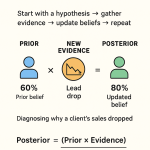
Link high-level goals to operational metrics for early variance detection.
10. Data Issues Signal Problems
Poor data quality often indicates deeper organizational issues needing attention.
11. Prioritize Data Governance
Balance data integration benefits with security risks and privacy compliance.
12. Establish Effective Forums
Create focused governance meetings with clear agendas and decision-making powers.
13. Develop Skills Continuously
Invest in technical and leadership capabilities for digital transformation.
14. Foster Positive Relations
Build diverse, psychologically safe workplaces for better decision-making and execution.



Leave a Reply